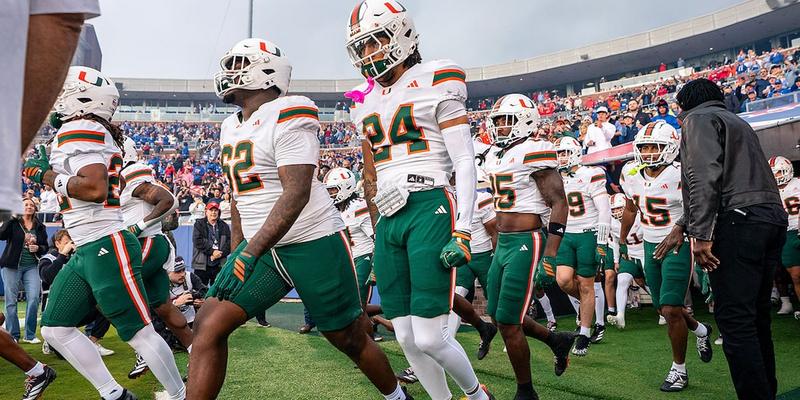


According to Todd McShay from YouTube, the college football transfer portal is fundamentally changing quarterback development in his latest Transfer Portal NFL Draft Prospects analysis. The discussion emphasizes how modern Transfer Portal NFL Draft Prospects must navigate an increasingly complex landscape where portal decisions can dramatically reshape their professional trajectories and draft stock.
How Transfer Portal Movement Impacts Transfer Portal NFL Draft Prospects
McShay’s analysis reveals that quarterback mobility through the portal has created new evaluation challenges for NFL scouts and analysts. The hosts explain how Transfer Portal NFL Draft Prospects now face accelerated timelines for proving their worth at new programs. Young quarterbacks entering the portal must consider scheme compatibility, coaching stability, and depth chart positioning when making their decisions. These factors directly influence their developmental arc and future NFL Draft positioning. The conversation highlights how successful portal moves can elevate a player’s draft stock significantly. Conversely, poor decisions or frequent transfers can raise red flags about a player’s adaptability and mental toughness. The modern college football landscape requires NFL evaluators to track multiple school affiliations and coaching changes when assessing quarterback prospects.
NFL Draft Evaluation Changes in Portal Era
The discussion frames how NFL Draft analysts must adapt their evaluation processes to account for increased player movement. Traditional four-year development models no longer apply to many quarterback prospects in today’s college football environment. Scouts now focus heavily on a player’s ability to quickly absorb new offensive systems and establish chemistry with unfamiliar receivers. The hosts emphasize that successful portal transitions demonstrate valuable NFL-relevant skills like adaptability and leadership under pressure. Teams increasingly value quarterbacks who can handle coaching changes and scheme adjustments seamlessly. McShay notes that portal success often translates to higher draft grades for quarterback prospects. The evaluation timeline has compressed, with some players having limited windows to showcase their abilities at new programs.
Long-term Implications for Quarterback Development
The analysis positions these Transfer Portal NFL Draft Prospects movements as critical inflection points for future draft classes, particularly at the quarterback position. Portal decisions made during this period will likely influence NFL Draft boards for the next several years. Young quarterbacks must weigh immediate playing time opportunities against long-term development benefits when choosing new programs. The hosts discuss how quarterback-friendly systems with established track records of NFL development carry premium value in portal recruitment. Coaching continuity emerges as a crucial factor, as frequent staff changes can disrupt a quarterback’s progression timeline. The conversation suggests that NFL teams are beginning to factor portal decision-making into their character evaluations of prospects. Players who make strategic, well-researched portal moves demonstrate the type of decision-making NFL organizations value in franchise quarterbacks.
Strategic Considerations for Portal Movement
McShay’s breakdown emphasizes that successful portal quarterbacks must balance multiple competing factors when selecting their destinations. Playing time availability remains the primary driver, but scheme fit and offensive line quality significantly impact a quarterback’s statistical production and draft projection. The hosts note that quarterback prospects benefit most from joining programs with proven track records of developing NFL-ready signal-callers. Academic compatibility and graduation requirements also influence portal decisions for players prioritizing degree completion. The discussion reveals how recruiting rankings and high school pedigree matter less than portal performance for NFL evaluators. Teams focus primarily on college production and demonstrated improvement at the new program when assessing transferred quarterbacks.
The evolving landscape of college football continues to reshape how analysts evaluate Transfer Portal NFL Draft Prospects across all position groups. McShay’s analysis suggests that quarterback mobility through the portal will remain a dominant factor in roster construction and NFL Draft preparation. The transfer portal period represents a pivotal moment for young quarterbacks to reset their trajectories and maximize their professional potential.
For more NFL Draft analysis and content, stay tuned to Prospect-Radar.com.