
2026 NFL Draft Player Comps: The NFL Stars These Prospects Play Like
Comp conversations drive the final stretch of every draft cycle. They are how scouts shorthand a player’s ceiling, how front offices align on a target, and how the market starts to form around a prospect before his name is called. In the 2026 NFL Draft class, those conversations are happening right now, and the names being used carry real weight. From a backfield weapon who plays with a different gear to a defensive hybrid who draws the most electric comparison in football, the 2026 class is built around players who remind evaluators of proven NFL production. These are the comps that matter, and more importantly, what they actually tell us about each prospect heading into draft week.
Jeremiyah Love and the Jahmyr Gibbs Blueprint
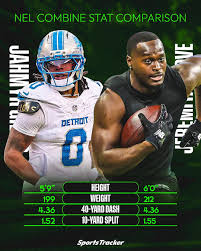
The Jahmyr Gibbs comp for Notre Dame running back Jeremiyah Love is not a reach. It is the most natural shorthand available for a back who makes people miss at full speed without losing a single step in transition. Love operates with that same quality Gibbs has in Detroit, where the threat of explosion is constant and defenders are never quite sure if they are about to look foolish. Love does not need a crease. He creates angles in space that most backs need the offensive line to provide for them.
What makes the Gibbs comparison stick beyond athleticism is the pass game dimension. Love is a genuine receiving threat out of the backfield, the kind of chess piece offensive coordinators build weekly game plans around. NFL teams are not just buying a runner when they draft Love. They are buying a mismatch problem, and that is exactly what Detroit bought when they took Gibbs in the first round. The floor here is real, but the ceiling on Love is what drives the comp deeper than surface-level speed metrics. He has a different gear, and in the NFL, that gear is the separator.
Carnell Tate and the Chris Olave Comparison
Ohio State has become a pipeline for a specific type of wide receiver, and Carnell Tate fits that mold as cleanly as anyone the program has produced in recent memory. The Chris Olave comparison is rooted in fluidity. Tate does not panic downfield. He runs routes with composure and releases from the line with the kind of smoothness that defensive backs struggle to time. That is the trait that made Olave a first-round pick and what makes Tate a legitimate 2026 NFL Draft prospect comparison worth taking seriously.
Tate carries something else into this process that adds texture to his evaluation. The recent loss of his mother has been part of the story surrounding him throughout draft prep, and for anyone watching closely, it adds emotional depth to a player who already plays with a quiet intensity. Ohio State wide receiver lineage matters in this conversation because the program has shown it can develop receivers for NFL timing offenses. Tate is the next name in that line, and the Olave comp suggests he belongs near the top of the wide receiver board in this class.
Omar Cooper Jr. and the Dog Mentality Behind the Deebo Samuel Comp
Deebo Samuel comps are thrown around loosely in draft circles, but the case for Indiana wide receiver Omar Cooper Jr. is grounded in something specific: what happens after the catch. Cooper refuses to go down. He plays with a physicality after contact that genuinely rare at the position, and that mentality is the core of what makes Samuel so difficult to account for in San Francisco’s offense. Cooper brings that same refusal to be tackled on first contact, and that trait translates directly to yards after catch production at the NFL level.
What adds credibility to the Cooper evaluation is that he was not a transfer who landed at Indiana looking for a platform. He was an original commit who built his profile there. That kind of program loyalty and development arc matters to evaluators who want to understand a player’s character alongside his tape. The 2026 NFL Draft player comp community has been quick to latch onto Cooper because the Deebo Samuel comparison captures exactly what he is, a receiver who plays with a dog mentality and can function as a real weapon in a creative offensive system.
Jordyn Tyson and the Jerry Jeudy Standard
The Jerry Jeudy comp for Arizona State wide receiver Jordyn Tyson is built entirely on freedom at the line of scrimmage. Tyson is limber and creative in his releases. He does not fight through press coverage so much as he flows through it, using body control and looseness to separate before routes even develop. That is the specific quality that made Jeudy a first-round pick out of Alabama, and it is the trait evaluators are identifying when they watch Tyson’s Arizona State tape.
One distinction worth making in the Tyson evaluation is the difference between durability and toughness. Those are not the same thing, and conflating them creates a false read on his profile. Tyson’s availability history is a real conversation, but nothing in his tape suggests he plays soft or avoids contact when the ball is in his hands. The Jeudy comparison is specifically about route fluidity and release creativity, and on that axis, Tyson earns the comp. Whether he can stay healthy enough to become what Jeudy became in the NFL is the real question driving his draft range.
Kenyan Sadique and a Tight End Comp with Two Names
The Vernon Davis and Dustin Keller dual comp for tight end Kenyan Sadique tells you everything about both his ceiling and his profile. Davis brought freakish athleticism to the position and could run through or around anyone in space. Keller was a speed-first tight end who created genuine matchup problems against linebackers in the passing game. Sadique sits at the intersection of those two player types, a tight end defined by his athleticism and his ability to create problems for defenses that cannot account for his speed on the field. The 2026 NFL Draft player comp continues.
The drops are a real concern in the Sadique evaluation. That is not a minor footnote. Tight ends who cannot be trusted in crucial moments do not reach their comp ceilings regardless of the athleticism they carry. The blocking dimension is more encouraging. Sadique can drive guys off when he is engaged and committed, which adds a functional dimension to his game that pure receiving tight ends often lack. The NFL outcome for Sadique depends largely on whether he cleans up his hands, because the athleticism that drives the Vernon Davis and Dustin Keller comparison is already there.
Arvell Reese and the Weight of the Micah Parsons Comparison
Micah Parsons comparisons carry the most pressure of any comp in football right now. Parsons redefined what a hybrid defensive player can be in the modern NFL, and attaching his name to any prospect raises expectations to a level most players cannot meet. For Ohio State’s Arvell Reese, the comp is rooted in a genuine do-everything quality on defense. Reese can rush off the edge, collapse the pocket from interior alignments, and operate in space against skill positions in a way that most linebackers simply cannot.
The floor risk around Reese is real and it comes directly from his experience level. One year as a primary starter creates legitimate questions about consistency and whether his instincts will hold up when NFL offensive coordinators are scheming specifically to take away what he does. Parsons arrived in Dallas with more seasoning and a deeper tape library. Reese arrives with a higher ceiling projection than almost anyone at his position in the 2026 NFL Draft pclass and a narrower base of evidence to support it. That tension is what makes him one of the most debated players in the entire class. Teams that believe in his athleticism and hybrid value will prioritize him. Teams that need more confirmation will wait. That is the real draft decision surrounding Reese, and how teams resolve it will define where he lands.
2026 NFL Draft Player Comps: What These Comps Actually Tell Us About the 2026 Class
The 2026 NFL Draft player comp circulating this week are not just talking points. They are shorthand for real traits that translate to real NFL value. Love gives you the Gibbs mold at running back. Tate gives you the Olave template at receiver. Cooper brings the Deebo mentality to a position that rewards it. Tyson offers Jeudy-level release creativity. Sadique carries the upside of two different tight ends who made defenses pay. And Reese carries the most loaded comp in the class, a name that raises every expectation and demands he meet them.
Every one of these 2026 NFL Draft prospect comparisons is grounded in a specific trait, not just athletic projection. That is what makes them worth taking seriously as draft week arrives and final boards are being set across the league.