
March Madness 2026 Bracket Strategy: Why Cameron Boozer and NBA Talent Beat Seeding Every Time
INDIANAPOLIS, IN — Most March Madness brackets are built on seeding, record, and recent form. That’s how you end up with the same bracket as everyone else — and why most brackets are dead by the Sweet 16.
The sharper edge is simpler: follow NBA talent, not seeds.
NBA-level talent decides March Madness. Teams with projected first-round picks consistently outperform seed expectations when games tighten and individual shot creation becomes the deciding factor. When systems break down in late-game situations, what remains is shot creation, size, and decision-making — the exact traits NBA scouts evaluate year-round.
March Madness 2026 Bracket Strategy: Why NBA Talent Beats Seeding
Every year, the same pattern emerges:
- Lower seeds with NBA talent **pull upsets**
- “Balanced” teams without pros **stall out**
- Close games are decided by **who has the best player**
The data backs this up — and understanding it is how you build a bracket that survives past the first weekend.
The Data: Why NBA Talent Predicts March Success
1. NBA Talent Drives Deep Runs
Recent tournaments consistently show that **teams with multiple NBA players outperform seed expectations**:
- **2023 UConn Huskies** — National Champions → 4 NBA rotation-level players
- **2022 Kansas Jayhawks** — National Champions → Multiple NBA players across the roster
- **2021 Baylor Bears** — National Champions → Multiple NBA-caliber guards driving late-game execution
The common trait isn’t seeding — it’s **NBA-caliber rosters**.
2. Upsets Are Driven by NBA-Level Guards
Guard play is the engine of March upsets. When a lower seed has the best guard on the floor — someone who can create his own shot late in a half-court possession — seed becomes almost irrelevant:
- **2023 Miami Hurricanes (5-seed)** → Final Four, fueled by NBA-level guard depth
- **2021 UCLA Bruins (11-seed)** → Final Four, driven by elite perimeter creation
Upsets happen when the lower seed has **the best guard on the floor** — a player who can create late in games when the shot clock is winding down and the defense has had time to adjust. That’s not a coincidence. That’s the NBA talent framework in action.
3. Close Games = Star Player Advantage
March Madness is a **single-elimination format built for high-pressure, half-court basketball**. As possessions slow down late in games:
- Teams collapse into isolation scoring
- The best individual player often decides outcomes
**Translation:** The best player wins more often than the better seed. This is why tracking the 2026 NBA Draft prospect boards — not the AP Poll — is the sharpest lens for building your bracket.
The 3 Teams Loaded With NBA Talent (2026 NBA Draft Prospects)
1. Duke Blue Devils — The Most Talented Roster in the Field
When evaluating NBA talent in March Madness 2026, Duke’s roster stands alone.
**NBA Draft Profile (2026):**
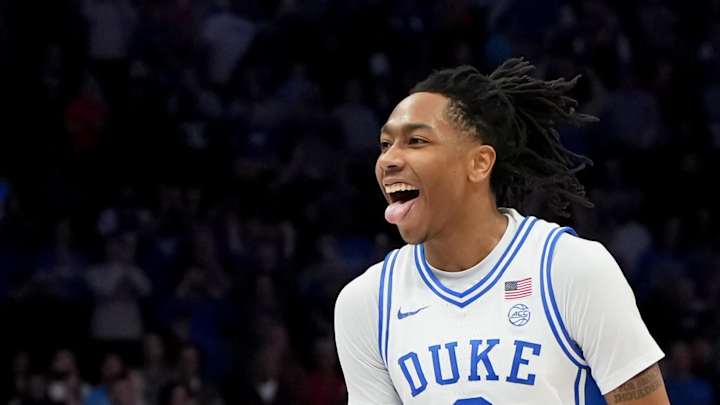
- **Cameron Boozer** (PF, projected top-3 pick in the 2026 NBA Draft) — Consensus top-of-lottery talent with the combination of size, skill, and basketball IQ that translates directly to late-game tournament situations. Cameron Boozer’s isolation scoring gives Duke a reliable half-court option when possessions break down — critical in Sweet 16 matchups and beyond.
- **Cayden Boozer** (PG, projected mid-to-late first round, 2026 NBA Draft) — A playmaking guard capable of creating for others and converting in pick-and-roll situations at the NBA level.
- **Dame Sarr** (SF, fringe first-round international wing) — Versatile defender and perimeter scorer with NBA-ready athleticism.
- **Nikolas Khamenia** (PF, developmental first-round upside) — A raw but physically projectable big with positional versatility.
Duke is the **only roster in the 2026 field with four potential NBA players capable of logging meaningful minutes simultaneously**. That kind of talent cluster doesn’t just beat seeds — it breaks regions.
**Tournament Projection:** Final Four ceiling regardless of draw. Pick Duke to win their region.
2. Arkansas Razorbacks — Guard Play Wins in March
When building an upset-heavy bracket, Arkansas represents one of the most compelling March Madness 2026 NBA prospect profiles outside the blue-blood programs.
**NBA Draft Profile (2026):**
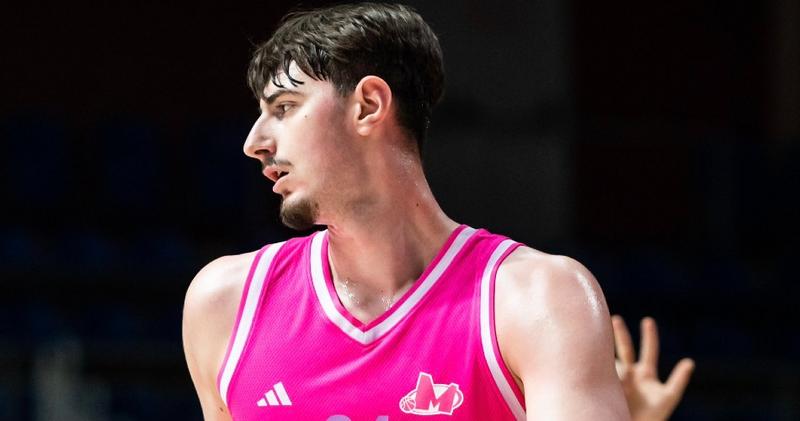
- **Darius Acuff** (PG, projected late first round, 2026 NBA Draft) — An explosive downhill guard with the burst and shot creation to take over late-game possessions. Darius Acuff’s ability to generate high-quality looks in the half-court makes Arkansas dangerous against any zone or switching defense they’ll face in March.
- **Meleek Thomas** (SG, fringe first round) — A secondary creator with enough NBA-level athleticism to make opponents pay when attention shifts to Acuff.
- **Karter Knox** (SF, wing upside) — A developmental wing with the size and athleticism to contribute against bigger tournament rosters.
Arkansas has what matters most in March: **multiple isolation scorers and guards who can win late-game possessions independently**. That combination makes them a legitimate upset threat regardless of their seed line.
**Tournament Projection:** Upset machine. Strong Sweet 16 / Elite 8 sleeper.
3. Arizona Wildcats — Balanced NBA Profile, High Floor
Arizona’s roster construction reflects a different kind of tournament threat — one built on **frontcourt size combined with perimeter creation**, a combination that holds up across multiple rounds of physical bracket play.
**NBA Draft Profile (2026):**
- **Koa Peat** (PF, lottery-level prospect, top-10 range, 2026 NBA Draft) — A long, skilled forward whose scoring versatility and defensive presence project as immediate NBA impact. Koa Peat gives Arizona a matchup problem that most tournament rosters simply aren’t equipped to handle.
- **Brayden Burries** (SG, fringe first round) — A perimeter creator who provides the guard-level shot creation necessary to complement frontcourt-heavy rosters in March.
Arizona gives you:
- Frontcourt NBA size that overwhelms smaller tournament programs
- Perimeter creation that prevents defenses from loading the paint
- Physical intensity that compounds over six rounds
**Tournament Projection:** High floor, high ceiling. A safe pick to outperform their seed line deep into the bracket.
Star-Driven Teams: One NBA Player Can Still Break a Region
Kansas Jayhawks — Superstar Advantage
Not every Final Four contender requires a talent cluster. Sometimes, one elite prospect is enough — provided he’s elite enough.
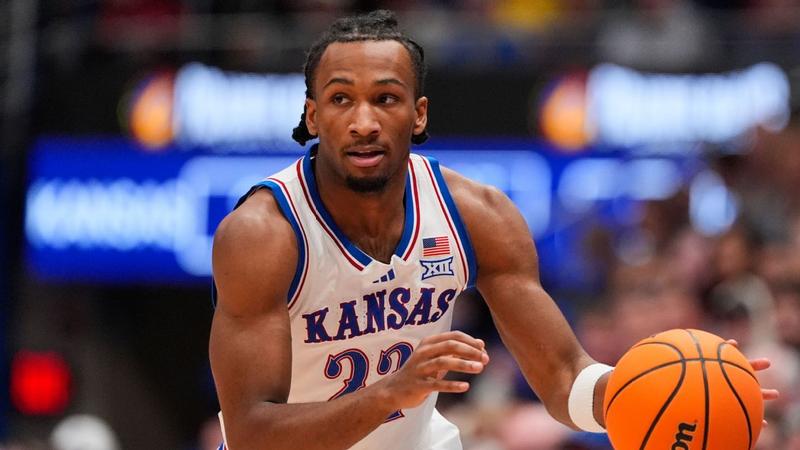
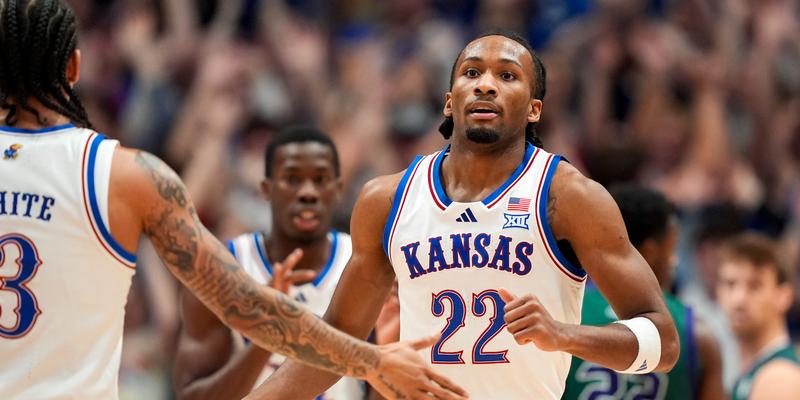
- **Darryn Peterson** (SG, projected top-5 pick, 2026 NBA Draft) — Peterson’s ability to create off the dribble, score at all three levels, and take over late-game possessions makes Kansas dangerous in any draw. In close tournament games, Kansas will often have **the best player on the floor** — and that’s the only edge that matters when it counts.
**Tournament Projection:** Dangerous regardless of seeding. Can carry Kansas to Elite 8 and beyond.
BYU Cougars — The AJ Dybantsa Factor
No player entering March Madness 2026 carries more individual upside than **AJ Dybantsa** (SF, projected #1 overall pick, 2026 NBA Draft). The AJ Dybantsa NBA Draft projection at the top of the board reflects a prospect with generational scoring versatility — size, handle, shot-making, and the competitive makeup to perform on the biggest stage.
The honest bracket reality with BYU:
- If Dybantsa is rolling → BYU can beat anyone in the field
- If he struggles → the supporting cast lacks the NBA-level depth to compensate
That boom-or-bust profile is exactly what makes BYU compelling as a bracket disruptor. AJ Dybantsa’s upset potential in 2026 is real — but building a deep bracket run around BYU requires buying fully into a single-star dependence.
**Tournament Projection:** Boom-or-bust. High upset potential, limited floor without complementary NBA talent.
Bracket Traps: High Seeds Without NBA Talent
Seeding creates false confidence. These programs carry bracket appeal based on resume — but their rosters lack the NBA-level shot creators who decide close tournament games:
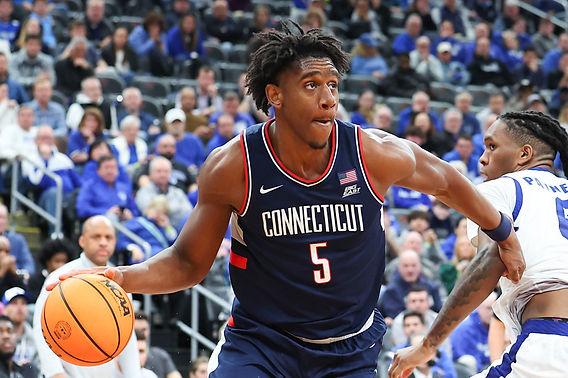
- 🚨 **UConn Huskies** — The brand name is there. The NBA talent depth that drove their 2023 championship run is not.
- 🚨 **Michigan Wolverines** — A system-driven program without the individual creation necessary to survive late-game breakdowns.
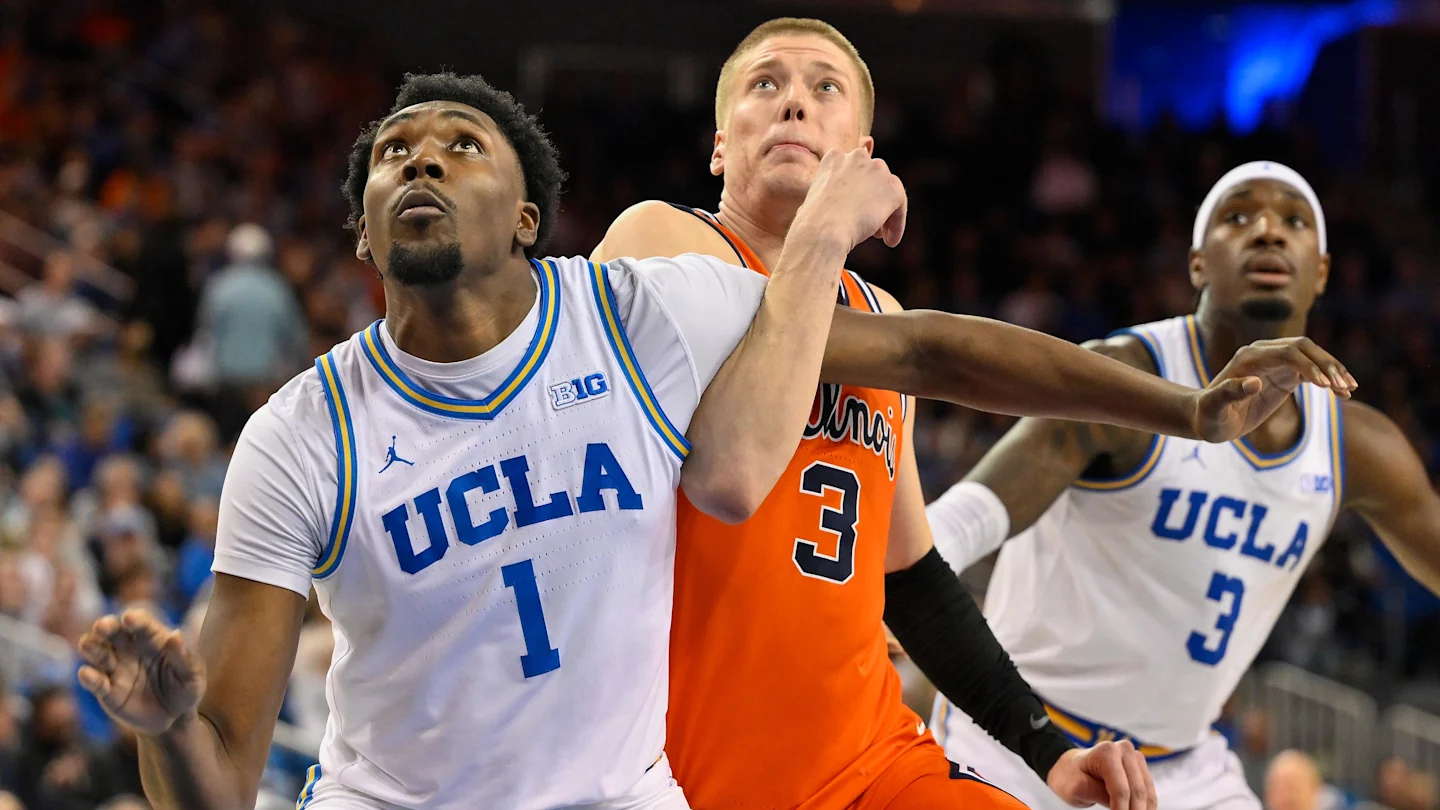
- 🚨 **Illinois Fighting Illini** — Depth and discipline, but limited upside when possessions get tight and isolation creation becomes the deciding variable.
Picking these teams deep in your bracket based on seed alone is how brackets die in the Sweet 16.
How to Win Your Bracket: The NBA Talent Framework
1. Target Teams With 2+ NBA Prospects
Talent clusters — rosters with multiple first-round caliber players — are the single most reliable predictor of deep tournament runs. Duke and Arizona are the clearest examples in 2026.
2. Prioritize Shot Creation
A team with one elite shot creator beats a team with five average players in a close game almost every time. Evaluate rosters by their ability to generate quality looks when the shot clock is under ten seconds, not by their regular-season efficiency metrics.
3. Fade Depth Without Talent
“Balanced” rosters that win through system and depth are susceptible to any team with a player capable of taking a game over. That’s March Madness. Fade teams that don’t have that player.
4. Bet on Ceiling, Not Resume
Regular-season records reflect strength of schedule, coaching adjustments, and cumulative momentum. None of that matters in a single-elimination game in March. Ceiling — specifically, the ceiling of a team’s best NBA-caliber player — is the variable that predicts bracket outcomes.
My 2026 March Madness Bracket Picks (Based on NBA Talent)
🔥 Upset Picks
- **Arkansas** over a higher seed — Darius Acuff and Meleek Thomas give the Razorbacks the guard-level creation to knock off a bigger program early
- **BYU** over a top-4 seed — entirely dependent on Dybantsa, but when the best player in the country is locked in, seed lines are irrelevant
🧨 Final Four Sleeper
- **Duke** — The Cameron Boozer March Madness narrative writes itself, but it’s the full talent cluster — Cameron, Cayden, Sarr, and Khamenia — that makes this a legitimate championship contender, not just a media darling
❌ Teams I’m Fading
- **UConn** — Past results don’t carry future talent
- **Michigan** — System without stars won’t survive the second weekend
- **Illinois** — Respected program, wrong roster construction for this format
Final Takeaway
March Madness isn’t about resumes — it’s about **who can create when everything breaks down**.
The March Madness bracket strategy built around NBA talent isn’t a theory. It’s what the data from the last decade of tournaments demonstrates, consistently, round by round. The programs that reach Final Fours don’t get there because of seeding — they get there because they have players that NBA front offices have already identified as professional-level talent.
If you want to win your bracket in 2026:
Stop picking seeds. Start tracking NBA Draft boards.
The scouts already did the work. Use it.