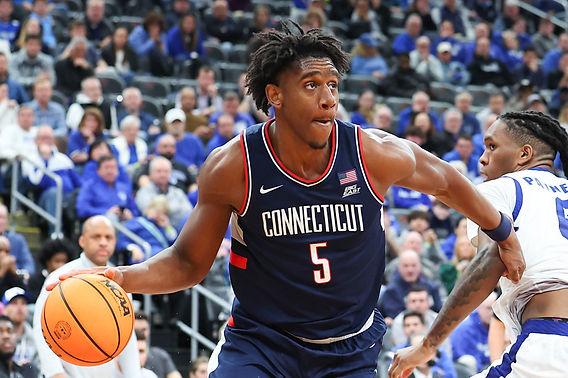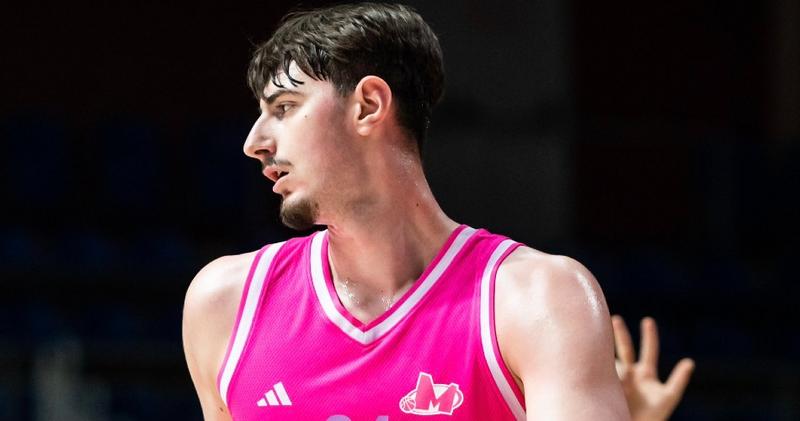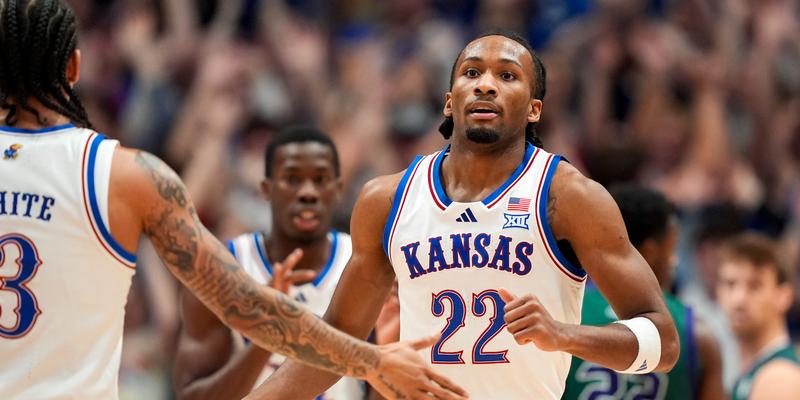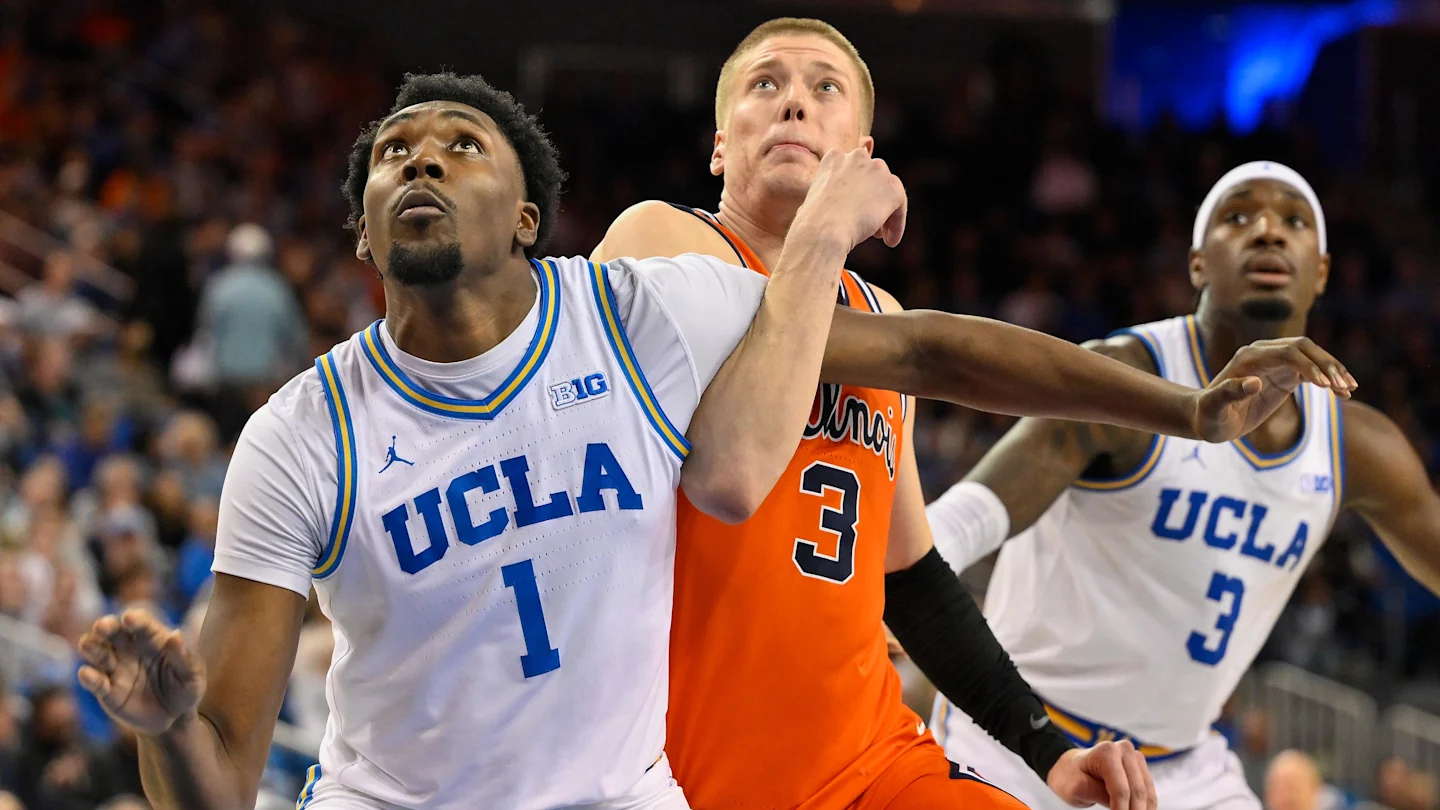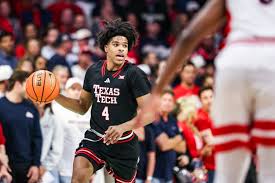


NBA Draft 2026 prospects in March Madness that scouts are watching closely in 2026 aren’t the obvious lottery names — they’re the breakout prospects forcing NBA Draft boards to adjust in real time.
As scouts fill arenas and comb through film during the tournament window, a handful of college basketball players are separating themselves through performance, role, and timing. These are the names gaining momentum now, and draft boards will shift quickly once the bracket runs its course.
1. Koa Peat — Arizona Forward | Rising First-Round Prospect
Projection: Mid-to-late first round, 2026 NBA Draft
There’s a version of Koa Peat that walks into an NBA rotation on Day 1 and makes an immediate impact — and he’s been building that case all season in Tucson.
The 6’8″ freshman forward is averaging 13.6 points, 5.3 rebounds, and 2.7 assists per game while shooting 53.9% from the field inside Arizona’s motion offense. For a featured freshman logging high-20s to mid-30s minutes in a Big 12 environment, those are the kind of numbers that make scouts take notice.
What translates: Peat’s NBA appeal starts with his frame. He carries an NBA-ready body right now — strong through contact, balanced in traffic, and capable of holding his own against bigger players at the college level.
He’s not a flashy scorer, but his interior efficiency tells the real story: efficient finishes, effective duck-ins, and a reliable touch on short drives despite operating without consistent floor spacing around him. At 2.7 assists per game, he’s also shown a passing feel from the elbows and short roll that projects as a genuine connector trait at the next level.
Add in his rebounding presence on both ends — secured through timing and strength rather than athleticism alone — and his defensive versatility to body up bigger wings and provide weak-side rim contests, and the profile starts to look like a genuine multi-tool forward.
The questions: The three-point shooting is a real concern. Peat is connecting at just 23.5% from deep, and his 66.2% free-throw rate suggests his shooting touch is still developing rather than being suppressed by volume.
His lateral quickness is good but not elite, raising legitimate questions about whether he can defend quicker wings in the NBA without getting exposed in space. His handle is functional but not refined enough for consistent self-created perimeter offense.
Why now: Peat is a freshman starter on a potential 1-seed Arizona team, which means consistent national television exposure and high-leverage situations throughout March.
He’s already posted multiple 20-plus point games and efficient stretches in conference play — the kind of performances that move names up boards when scouts are actively watching.
Draft outlook: The ceiling here is a multi-positional starting forward who impacts winning through strength, defensive versatility, and secondary playmaking. The floor is a rotation combo forward if the shooting never develops.
What scouts are zeroing in on during the tournament: three-point confidence and volume, decision-making as a frontcourt hub under pressure, and his ability to defend in space against smaller, quicker opponents.
Archetype: Think Jarace Walker — a physical, multi-tool forward who projects as a high-end role player rather than a star, but one whose defensive and connective value is real at the next level.
2. Bennett Stirtz — Iowa Guard | Fringe First-Round Prospect
Projection: Mid-to-late first round / early second round, 2026 NBA Draft
Bennett Stirtz is the kind of player NBA scouts have quietly tracked for years, and this season at Iowa has turned quiet interest into active evaluation. The 6’4″ senior guard is averaging 19.3 points, 4.6 rebounds, and 3.8 assists per game while shooting 48.7% from the field, 39.9% from three, and 84.2% from the free-throw line.
He’s Iowa’s primary offensive engine, rarely leaving the floor in Big Ten play — multiple 40-minute games on his resume — and he’s been doing it with the kind of efficiency that makes evaluators take the profile seriously.
What translates: Stirtz is a three-level scorer in the most functional sense. He creates off pick-and-roll with touch on pull-up jumpers and runners, he’s an efficient spot-up shooter who commands respect from distance, and he finishes through contact in the lane.
His playmaking feel is real — he runs an offense, finds shooters and rollers consistently, and carries a positive assist-to-turnover ratio despite massive usage. At 6’4″ with a solid frame, he offers functional size for a lead guard. His competitive motor is arguably his most underrated trait; the volume of minutes he absorbs without a production drop-off speaks to a level of basketball conditioning and mental toughness that translates.
The questions: Stirtz doesn’t have elite top-end burst or vertical explosion, which is the core concern when projecting him against NBA-caliber athletes. His finishing efficiency is craft-based rather than explosive — meaning the question isn’t whether it works in college but whether NBA length and athleticism at the rim eradicates that advantage.
Defensively, his ceiling is limited by tools; he competes and uses positioning well, but that may not be enough against elite athletes at the next level.
Why now: Stirtz arrived at Iowa after strong production at Drake, making him a known quantity to evaluators well before this season. What’s changed is the context — he’s delivering the same output at a power-conference program, with multiple 30-plus point games and sustained double-figure scoring across the season.
March gives him the biggest stage yet, and the Big Ten tournament has already provided additional film for scouts evaluating him under elevated competition.
Draft outlook: The ceiling is a starting-caliber combo guard who can run second units and close games. The floor is a rotation guard providing shooting, secondary creation, and a high basketball IQ.
What scouts are watching closely: his ability to manufacture efficient offense against top defenses, his physicality finishing at the rim versus length, and his viability as a point-of-attack defender.
Archetype: A crafty combo guard whose value is built on scoring and playmaking intelligence rather than elite athleticism — think the modern “winner” guard archetype who finds ways to produce without requiring a specific system to function.
3. Dailyn Swain — Texas Guard-Wing | Late First-Round Riser
Projection: Late first round, 2026 NBA Draft
If there’s a name that fits the definition of a rising draft stock player in this class, it’s Dailyn Swain. The 6’8″ junior wing transferred from Xavier to Texas and promptly posted career-best numbers across every major category: 17.8 points, 7.6 rebounds, and 3.4 assists per game while shooting 55.1% from the field and drawing fouls at an elite rate.
His arrival at a high-profile SEC program — combined with a breakout statistical season — has pushed him firmly into late first-round conversations.
What translates: The size-to-position combination is the lead item in any Swain evaluation. At 6’8″ playing guard-wing, he creates genuine mismatch potential on both ends of the floor.
He’s a high-efficiency slasher who pressures the rim effectively and gets to the free-throw line, which is one of the most predictable NBA-translatable skills in prospect evaluation. His rebounding numbers — 7.6 per game from the wing — are exceptional and underscore his physicality and motor.
Defensively, Swain has a demonstrated track record of boosting team defensive metrics, generating steals and deflections, and guarding multiple positions with his length. His 3.4 assists per game show a secondary playmaking feel that rounds out the profile nicely.
The questions: The three-point shooting is the primary concern — 30.4% from deep is below the threshold NBA teams want from a wing who needs to space the floor to unlock his slashing game.
His handle and decision-making under pressure can break down in high-usage spots, leading to turnover clusters. Scouts will also question whether his half-court shot creation — built heavily on length and strength advantage — will work against NBA defenders who match him physically.
Why now: Swain’s momentum is tied directly to what he’s done since arriving in Austin. Career numbers across the board in his first SEC season, multiple high-output games against ranked opponents including Georgia and Auburn, and a Texas team back in the national conversation mean evaluators are seeing him in premium matchups on a consistent basis.
He’s a prominent “jumper” among upperclass wings — a player who wasn’t a first-round name a year ago and now clearly is in the conversation.
Draft outlook: The ceiling is a starting-caliber, multi-positional defender with slashing value and secondary playmaking if the three-point shot stabilizes. The floor is a defense-first rotation wing who provides impact through length, rebounding, and defensive versatility.
Tournament scouts are focused on three-point confidence, decision-making as a primary option, and how he handles NBA-sized wings in switching coverage.
Public comps: The Herb Jones / Jerami Grant range of versatile, defensive-minded forwards with offensive upside — long, switchable, and capable of more on offense than the raw numbers sometimes suggest.
4. Motiejus Krivas — Arizona Center | Second-Round Value with Upside
Projection: Mid-to-late second round, 2026 NBA Draft
Motiejus Krivas is the definition of under-the-radar NBA Draft 2026 prospects — a 7’2″ center who doesn’t flash highlight-reel plays but produces in ways that matter to teams building depth up front.
The Lithuanian junior is averaging 10.5 points and 8.1 rebounds per game while shooting 58.2% from the field and blocking nearly 2.0 shots per game. His true shooting percentage sits around 60%, and he’s made a statistically significant jump from prior Arizona seasons.
What translates: The size-to-production combination is the core of any Krivas pitch. At 7’2″ and 260 pounds, he offers a physical interior presence that simply doesn’t exist at every roster spot in the NBA.
His basket finishing is efficient — good touch on rolls, cuts, and put-backs — and his defensive rebounding is strong enough to anchor a frontcourt rotation. The rim protection is genuine: nearly 2.0 blocks per game with legitimate shot-altering instincts, not just contests. He’s also shown a developing feel for passing out of the post and short roll, with an improved assist rate compared to earlier seasons.
The questions: Krivas has essentially no perimeter skill set — zero three-point attempts — which creates significant defensive liability in an NBA environment built around spread pick-and-roll.
His mobility and lateral quickness in space are the central durability concerns for evaluators. Free-throw consistency is adequate but not strong enough to project meaningful shooting development at the next level.
Why now: The jump from role player to near double-double producer at Arizona is the story. He’s the anchor of the frontcourt for a program making a deep tournament run, which means consecutive games against high-major bigs on national television.
Teams searching for value picks who provide size and rim protection are paying closer attention, and he’s currently viewed as one of the top true centers in this class.
Draft outlook: The ceiling is a rotation rim-protecting center who anchors bench units and provides a physical deterrent in the paint. The floor is a depth big who offers size and rebounding at the end of a roster.
What scouts want to see in March: his ability to stay on the floor against smaller lineups and impact high-major bigs in tournament-level physicality contests.
Archetype: Traditional drop-coverage rim protector and interior finisher — a throwback big in the best sense for teams that value paint presence and defensive anchoring over positional versatility.
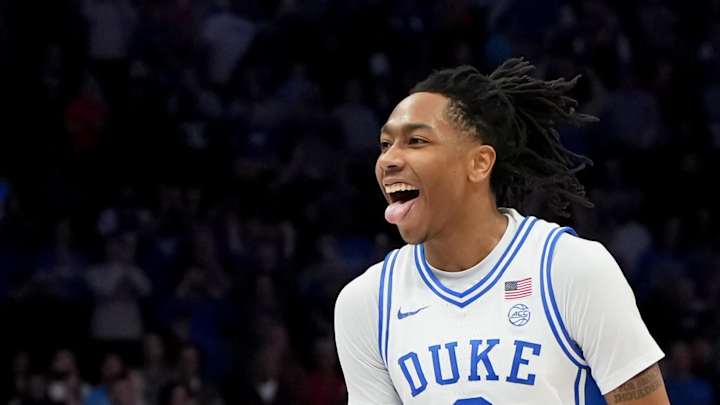
5. Isaiah Evans — Duke Wing | Back-End First-Round Prospect
Projection: Back end of first round / early second round, ~30th overall, 2026 NBA Draft
Isaiah Evans has become one of the most interesting names among college basketball players rising in 2026 NBA Draft discussions precisely because his value is tied to one of the most coveted traits in modern roster construction: the ability to shoot off movement at volume with legitimate size.
The 6’6″ Duke sophomore is averaging 14.9 points per game while shooting 39.8% from three on a high attempt rate, with an 83.1% free-throw percentage that validates the underlying shooting touch. Duke has been undefeated in games when Evans hits at least three threes — a data point that captures exactly why NBA teams covet his archetype.