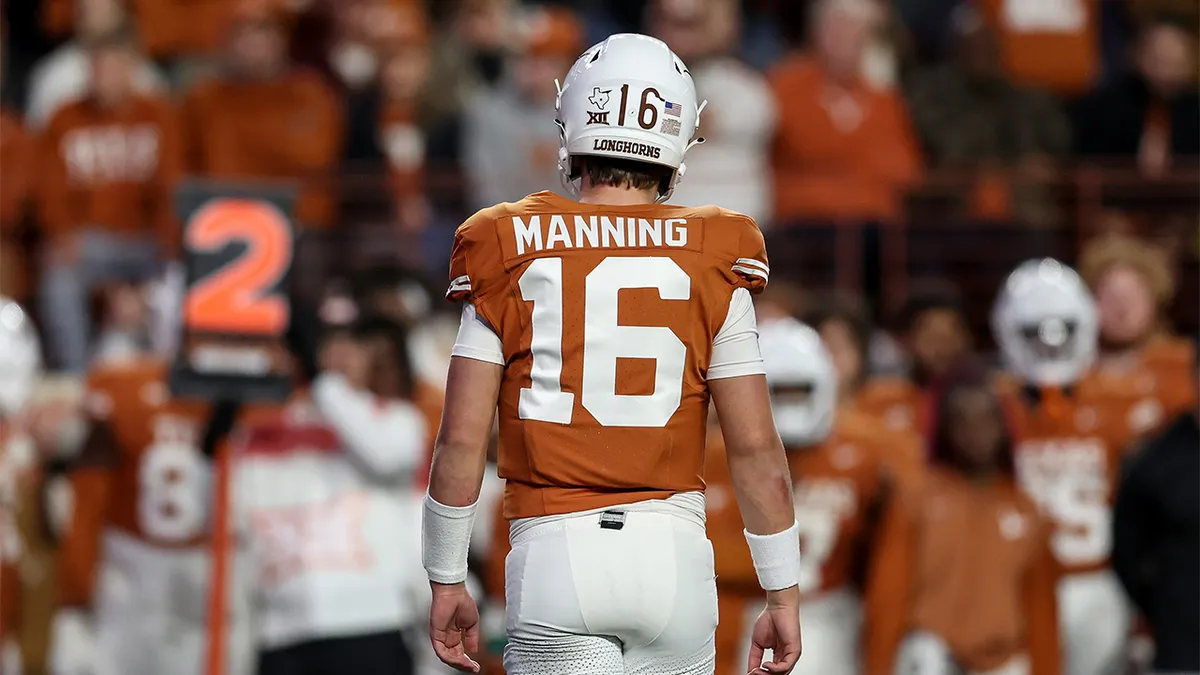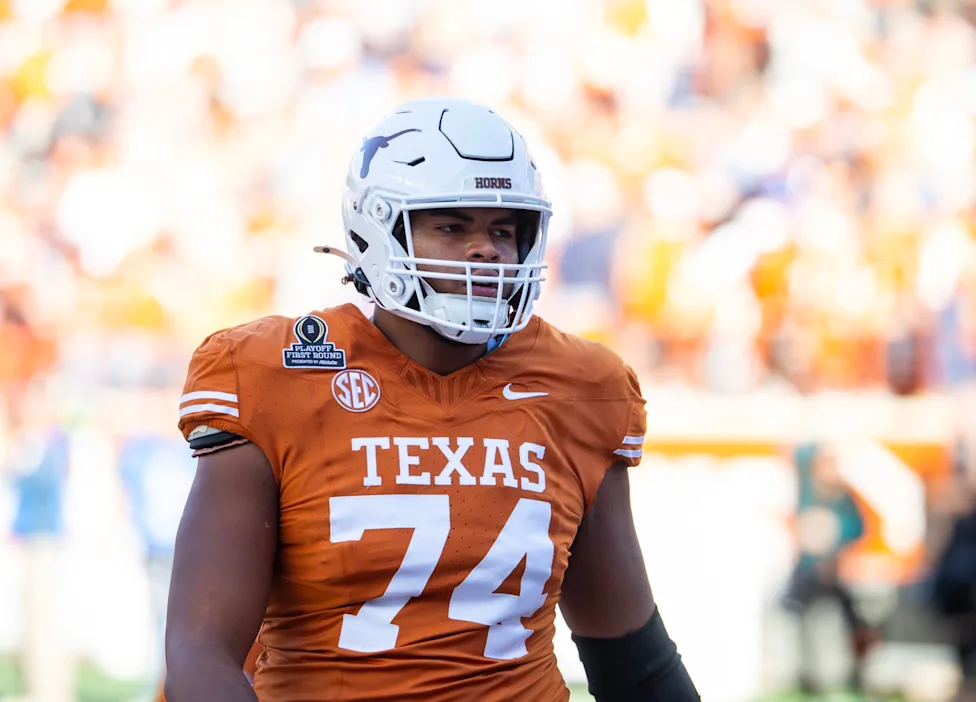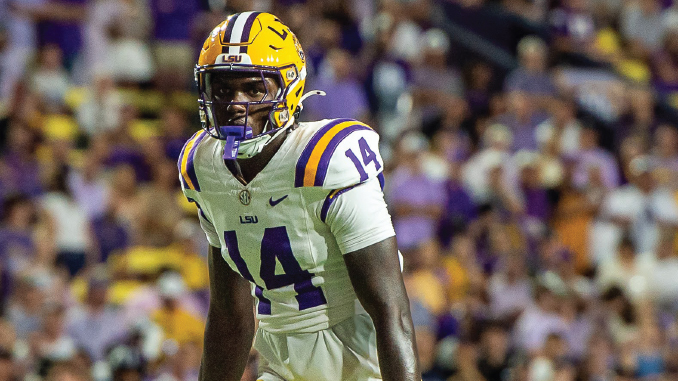
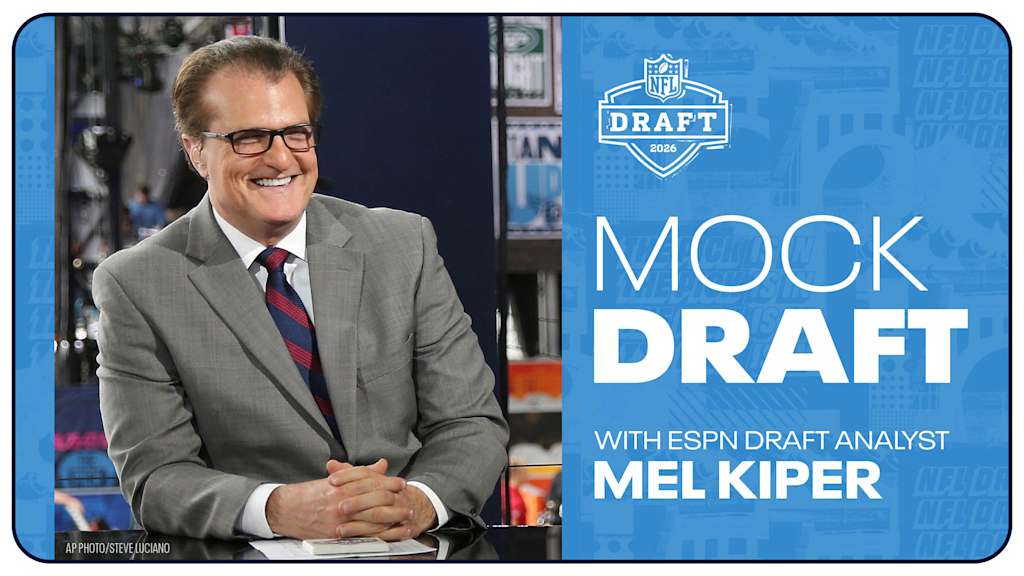

Mel Kiper’s Final 2026 Mock Draft: Every First-Round Pick Graded
Eight days before the draft, Mel Kiper made his move. The ESPN veteran dropped his final 2026 mock draft on the First Draft podcast with enough runway left to let the debate breathe, a calculated decision that puts every other analyst on the clock. There is no hiding behind “things could change” when you publish this close to the real thing. Kiper knows that. He did it anyway.
Now comes the accountability portion. The Mel Kiper mock draft 2026 is loaded with consensus locks, a few genuinely bold calls, and at least two trades that will fuel arguments straight through draft night. The centerpiece debate sits at pick four. The boldest structural call involves two franchises looking to reset their trajectory. And somewhere in the middle of all of it, a medical situation involving one of the draft’s most gifted prospects threatens to scramble everything.
Here is every significant call graded, starting with the picks that nobody will argue about and building toward the ones that deserve real scrutiny.
The Locks at the Top
Kiper does not waste capital arguing against consensus at the very top of this board. Fernando Mendoza, David Bailey, and Arl Reese occupy the first cluster of picks in an order that most serious evaluators would recognize. These are not controversial placements. They reflect what the tape says and what teams have confirmed through the pre-draft process. Grading these picks in isolation would be pointless. The question is never whether they go in the top five. The question is what happens around them.
Spencer Fono is another name Kiper slots without much drama, and that feels right. Fono has the profile teams covet at a premium position, and his pre-draft visits have been extensive enough to confirm genuine first-round interest across multiple organizations. No argument here.
The Centerpiece Argument: Jeremiah Love vs. Carnell Tate at Four
This is where the Mel Kiper 2026 mock draft gets genuinely interesting. Kiper sends Jeremiah Love to the Tennessee Titans at pick four, a call that a significant portion of the draft community will push back on hard. The counterargument is Carnell Tate, who eventually lands with the Washington Commanders further down the board. Evaluations diverge sharply here, and Kiper is planting his flag on one side of a real divide.
The case for Love at four is straightforward: he has the traits and production to justify a top-five selection, and the Titans have a need that aligns with what he brings. The case for Tate going higher is equally coherent. Tate’s processing speed and release package give him a ceiling that some evaluators rank above Love’s, and Washington’s placement on the board makes the Tate landing feel slightly soft for a prospect with his upside.
Teams are split on this one in reality, which means Kiper is not making a reckless call, he is making a call that will be right for some rooms and wrong for others. The grade here is not a failing mark. It is a genuine debate, and Kiper picked a side. That is what final mock drafts are supposed to do.
The Two Trades That Define This Mock
The Browns and Cowboys trade is the boldest structural move in Kiper’s final mock draft, and it is the one that will generate the most traffic between now and draft night. Moving picks of this magnitude requires both organizations to be aligned on a specific target, and the implied logic in Kiper’s board suggests Cleveland is the team willing to pay a premium to move up. Whether that reflects genuine intelligence or educated projection is the question nobody outside those two buildings can answer with certainty.
The Arizona and Miami trade is the second major move, and it carries different implications. The Cardinals land Ty Simpson with the pick they acquire, a selection that reads as aggressive given where Simpson is being valued by other analysts. Arizona has shown a willingness to swing on quarterbacks in recent cycles, and Kiper is betting they do it again here. Grading the trade itself is nearly impossible without knowing the full compensation. Grading the Simpson pick is easier: it is a reach by most boards, which makes it either a bold win or the most debatable call in this entire mock.
The Medical Situation Around Jerma McCoy
Jerma McCoy is the news hook that nobody wanted attached to this class. His medical situation has been circulating through draft circles for weeks, and Kiper’s placement of McCoy reflects the reality that teams have already been making contingency plans. When a prospect with McCoy’s talent profile carries genuine medical uncertainty, the board reshuffles in ways that are difficult to model cleanly. Kiper accounts for this, but the exact spot where McCoy lands remains one of the most volatile picks in the entire first round. If his medical clears fully before draft night, this grade changes. If it does not, the teams that passed will feel justified and the team that takes him will be betting on upside over certainty.
The Undervalued Picks Worth Noting
Kiper’s placement of Omar Cooper Jr. deserves more attention than it will get. Cooper has been a divisive prospect throughout the pre-draft process, but the landing spot Kiper assigns him makes sense schematically in a way that most generic mock drafts ignore. Similarly, Kenyan Sadiq and Kaden Proctor slot into spots that reflect genuine positional need rather than just talent ranking, which is how real teams actually make draft decisions.
Malachi Lawrence and Emanuel McNeil Warner both land in the back half of the first round in Kiper’s projection, and both feel directionally correct even if the exact pick number is debatable. Dylan Theimann and Mai Lemon round out the board in spots that are unlikely to generate major controversy. Sunny Styles and Jadarian Price are the two names in this mock that will spark the most debate among fans tracking non-quarterback skill positions, and Kiper’s confidence in both placements will either age very well or become the easiest criticism to level after the draft concludes.
Mel Kiper Mock Draft 2026: Grade
Publishing eight days out is a veteran move. It signals confidence, invites accountability, and shapes the conversation in a way that waiting until the last moment never could. The Mel Kiper final mock draft for 2026 holds up well at the top, makes a legitimate argument in the middle with the Love versus Tate decision, and takes two real swings with the trade projections that could easily be proven right or wrong within a week.
The Simpson pick in Arizona is the single call most likely to look wrong on draft night. The Browns and Cowboys trade is the single call most likely to look prescient if it actually happens. The McCoy situation is the wildcard that nobody controls.
As 2026 NFL Draft first round predictions go, this one earns its credibility by taking positions rather than hedging everything into irrelevance. That alone puts it ahead of most of what is circulating right now. Eight days to find out how right he was.