
Tarris Reed Is the Second-Round Sleeper Nobody Is Talking About
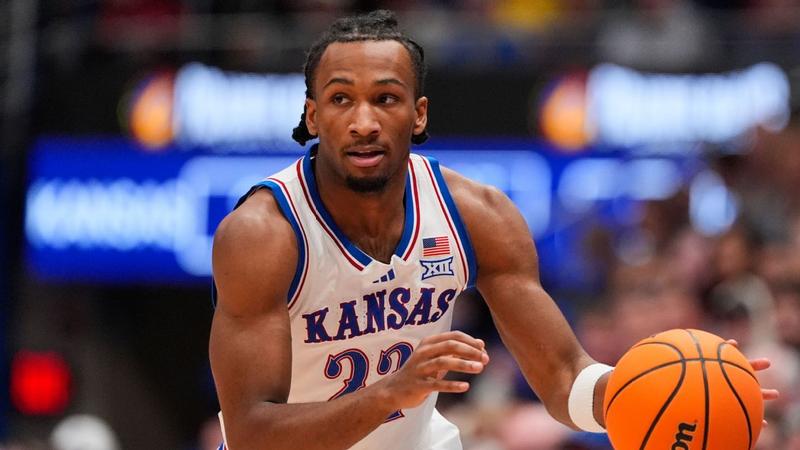
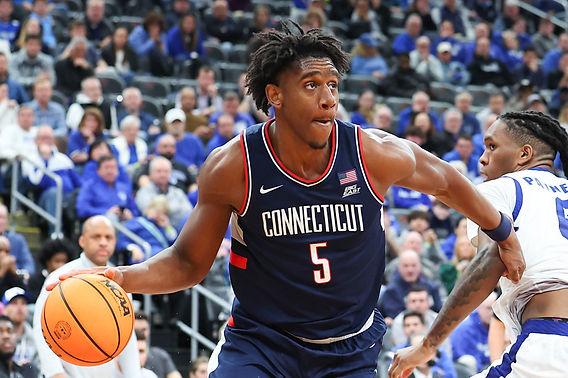
The Tarris Reed 2026 NBA Draft sleepers conversation shifted in a single workout. Behind closed doors at a recent private session, the UConn big man displayed the kind of explosive rim-running and lob-threat athleticism that makes front offices rethink their boards. Yet most mock drafts still have Reed sliding to the late second round or going undrafted entirely. That disconnect between what evaluators are seeing in person and where consensus rankings place him creates one of the clearest value opportunities in the 2026 class.

Reed officially declared for the NBA Draft after a season at Connecticut that didn’t generate much draft buzz. The perception: a solid college center without standout tools. The reality emerging from recent workouts tells a different story.
2026 NBA Draft Sleepers: Why the Market Is Undervaluing Reed
The gap between Reed’s current projection and his physical profile comes down to context. He spent last season in a deep UConn rotation that limited his opportunities to showcase the athleticism now turning heads in controlled settings. Scouts who attended the No Ceilings workout session came away describing a player whose vertical pop and catch radius project immediately to NBA pick-and-roll actions.
Most second-round bigs fall into two categories: floor-spacing specialists without ideal size or traditional centers lacking mobility. Reed doesn’t fit cleanly into either box. At his size, with emerging touch around the rim and legitimate vertical explosiveness, he occupies a middle ground that college film alone didn’t capture. The workout circuit is revealing what limited minutes obscured.
Teams are split on how to weight in-game production against physical tools. Reed’s statistical profile at UConn was modest, but the athletic baseline and improving skill suggest a player who could grow into a rotation role faster than his draft position implies. The best second round picks 2026 NBA Draft often come from this exact profile: known tools, unclear role, underexposed in college.
What Separates Reed’s Physical Profile
The lob threat dimension stands out immediately. Reed’s ability to catch and finish above the rim in tight windows gives ball handlers a vertical outlet that creates spacing even without perimeter shooting. His footwork in the dunker spot and timing on rolls showed refinement beyond what most late-second-round centers bring.
Touch around the basket has also improved noticeably. While he’s not a back-to-the-basket scorer, Reed demonstrated soft hands and the ability to finish through contact with either hand. That skill development matters because it expands his offensive utility beyond purely vertical spacing.
Defensively, the size and mobility combination projects well for switch-heavy schemes. Reed can protect the rim in drop coverage but also showed enough lateral quickness in workouts to suggest he won’t be a liability when pulled into space. Teams building around versatile defensive fronts should be paying closer attention.
The Tarris Reed NBA Draft Projection Gap
Current mock drafts have Tarris Reed going to Houston at pick 39 in the second round, with some boards leaving him off entirely. That range doesn’t align with how teams are discussing him privately after recent workouts. The disconnect stems from limited visibility during his UConn season and the lag between what scouts see in person and what public boards reflect.
If Reed were coming from a smaller program where he played 30 minutes per game, his athletic tools would command late-first-round consideration. The UConn context suppressed his profile, but it also means he’s more developed within a winning system than typical second-round projects. He understands team defense, sets proper screens, and plays within structure. Those details matter when projecting how quickly a player can contribute.
The Tarris Reed 2026 NBA Draft range could shift significantly if workout momentum continues. Teams picking in the 35-45 range often target players with clear NBA skills and upside beyond their college role. Reed fits that description more cleanly than most available centers.
Which Teams Should Be Targeting Reed
Contending teams with established stars need low-maintenance role players who can execute simple actions at a high level. Reed’s rim-running and lob threat ability slot perfectly into second units that need vertical spacing without demanding touches. Houston at 39 makes sense given their need for frontcourt depth behind an aging core.
Switch-heavy defensive schemes also benefit from centers who can hold up in drop coverage and occasionally step out. Teams like Memphis, Oklahoma City, or Orlando that prioritize defensive versatility should be monitoring Reed closely. His mobility and length give coaching staffs options that traditional back-to-the-basket centers don’t provide.
Playoff teams in the late first or early second round often prefer known quantities over high-variance projects. Reed’s time at UConn reduces some of the developmental risk that comes with second-round picks. He’s played meaningful minutes in high-stakes games and understands what winning environments require.
What This Means for Reed’s Real Value
The Tarris Reed sleeper case isn’t built on projection alone. It’s grounded in the gap between what he showed in limited minutes at Connecticut and what his physical tools allow him to become in a defined NBA role. Teams that prioritize athletic baselines and coachability over raw production should view him as a potential rotation piece, not a fringe roster candidate.
The UConn NBA Draft 2026 class doesn’t carry the same buzz as previous championship rosters, which further suppresses Reed’s profile. But programs like Connecticut develop players for professional systems. Reed’s understanding of spacing, his screen-setting discipline, and his defensive positioning all translate directly to NBA contexts.
If he lands in the right situation with patient development and a clear role, Reed could outperform his draft slot significantly. The physical tools are legitimate. The skill development is trending upward. The only missing piece is opportunity, and second-round picks who fall to teams with established infrastructure often find exactly that.
Final Projection and Timeline
Expect Reed’s name to surface more frequently as the draft approaches and more teams get him in for workouts. The Tarris Reed NBA Draft projection will likely settle somewhere in the 35-50 range, but his actual value suggests he should go earlier. Teams that trust their development systems and need frontcourt depth at low cost should be aggressive.
The workout circuit between now and draft night will determine whether consensus catches up to what some evaluators already believe. If Reed continues flashing the same athleticism and touch that turned heads in private sessions, the gap between perception and reality will close. Smart teams won’t wait for that to happen. They’ll identify the value now and act before the market corrects.
Reed may not dominate summer league or make an All-Rookie team, but he profiles as the kind of second-round pick who quietly plays 15-18 minutes per game within three years. That’s the upside nobody is talking about, and it’s exactly why he’s one of the best second round picks 2026 NBA Draft could produce.
For the latest news, rankings, and analysis on every prospect, visit our 2026 NBA Draft hub — updated throughout the season.