
NFL Draft Prospects Scouts Are Quietly Rising On Ahead of Draft Day
Draft boards don’t finalize quietly — they shift, and the prospects climbing right now are doing it on film, not hype. The clearest theme emerging from the final evaluation push is this: NFL teams are prioritizing high-motor, scheme-versatile players over raw athletic profiles, and that preference is reshaping how several names are being viewed into draft weekend. Leading that group is Keonte Scott, a defensive back whose evaluation is drawing comparisons to the modern “star” position — and whose draft range could move significantly based on how teams value multi-role defenders.
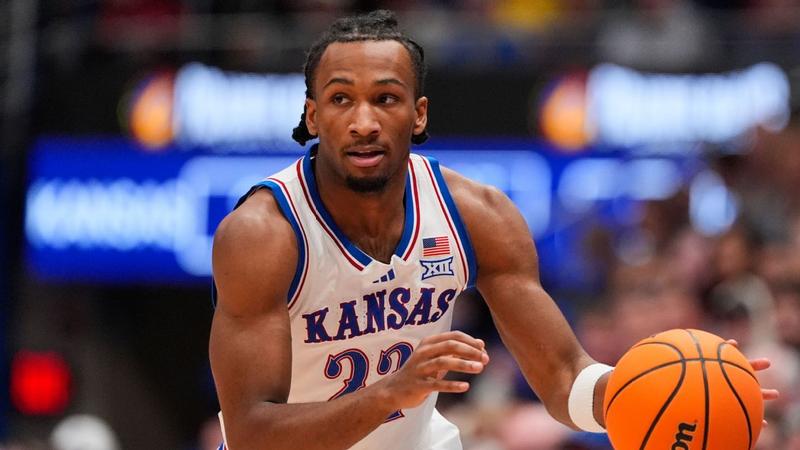
Keonte Scott Is Forcing Teams to Rethink the Nickel Position
Scott is the most interesting riser in the defensive back market, and the debate around him is real. Evaluators are consistently pointing to three things: blitz timing and edge pressure ability, run support physicality, and slot coverage versatility. That combination doesn’t fit a clean positional box, and that’s exactly what’s creating disagreement on boards right now.
Teams running traditional defensive schemes may not know where to deploy him. Teams running hybrid coverage systems — the ones building around a “star” or “moneybacker” role — are viewing him as a potential steal. His ability to function as a corner, safety, and linebacker on any given snap is rare, and the evaluators who trust that profile believe he’ll outperform his draft slot. The risk is that teams without a clear deployment vision will pass, letting him fall further than his tape warrants.
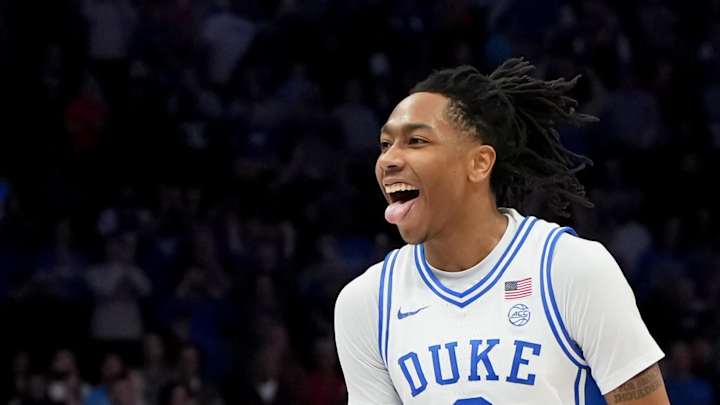
D’Angelo Ponds and the Nickel Depth Question Teams Can’t Ignore
If Scott is the high-ceiling version of this archetype, D’Angelo Ponds is the ready-made version — and teams looking for immediate production at the nickel are taking notice. Ponds is drawing comparisons to established NFL slot defenders, and those comparisons are grounded in processing speed, not just physicality. His football IQ and inside-outside flexibility are what evaluators keep coming back to, even accounting for his limited college reps as a true slot player.
The debate here isn’t about whether Ponds can play at the next level — it’s about whether his ceiling is high enough to justify an early commitment. His floor is solid. A team that needs a reliable nickel contributor right away isn’t taking a risk on Ponds. But a team looking for a transformative defensive back may look elsewhere. That floor-ceiling tension is exactly what makes him interesting in the mid-rounds.
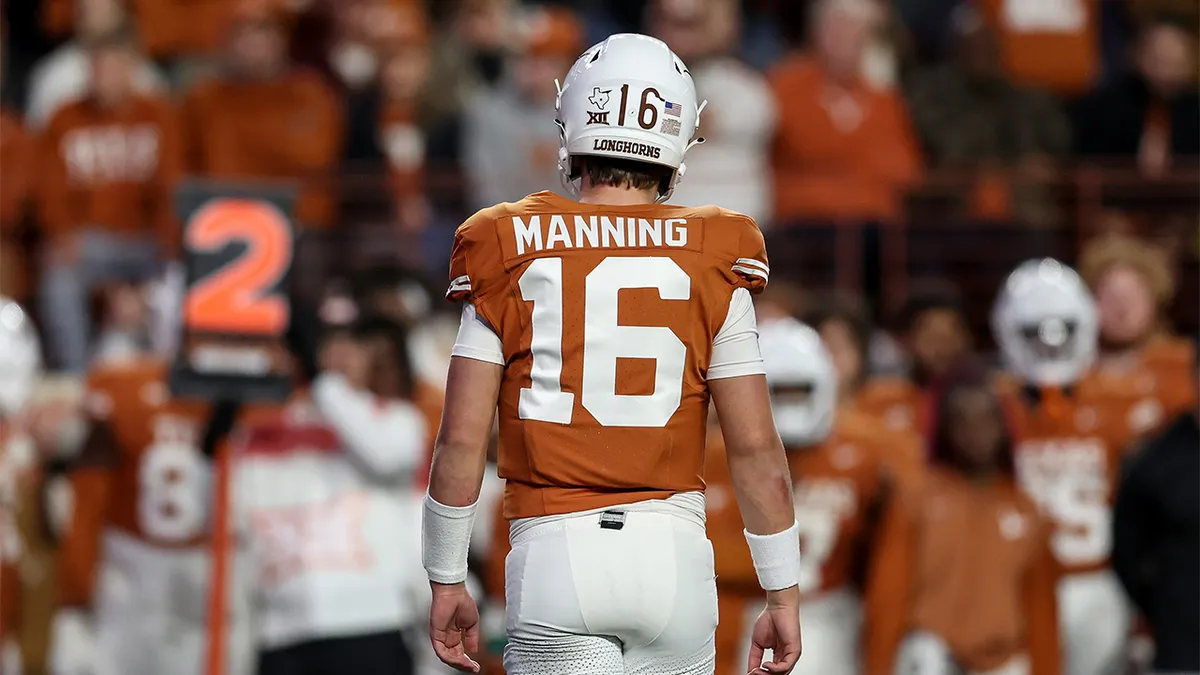
Garrett Nussmeier Is the Day 2 Quarterback Decision Teams Will Argue Over
The top of the quarterback class is stable. Below it, the disagreements are sharp. Garrett Nussmeier has become the most discussed riser in the second tier, and the case for him isn’t built on one strong season — it’s built on full-body-of-work evaluation. His understanding of offensive structure, his NFL bloodline, and his processing ability are creating real momentum among teams willing to look past his most recent performance data.
The tension is legitimate. Teams evaluating Nussmeier purely on his last college season will come away skeptical. Teams that weight earlier production and positional instincts see a Day 2 quarterback who can outperform his draft slot. That kind of evaluation split is exactly where one team makes a move another team regrets. Nussmeier is trending toward being one of the more divisive names when Day 2 quarterback decisions get made.
Mike Washington Jr. and the Running Backs Teams Are Starting to Get Serious About
The running back class has genuine depth, and Jeremiah Love remains the headline name — but Mike Washington Jr. is the riser that could catch teams off guard. His profile is built around verified speed in the 4.33 range paired with a physical running style that holds up between the tackles. That combination isn’t common, and it’s pushing him toward early Day 2 consideration.
The question evaluators are working through is durability and role definition. Washington’s big-play capability is clear on tape. Whether he can function as a three-down back or needs to be deployed situationally is where boards start to break. Teams willing to scheme around his explosiveness will likely move on him faster than teams that need a complete runner from day one.
The Bigger Pattern: “Wired Right” Prospects Are Climbing Every Board
Across every position group — from edge rushers like T.J. Parker and R Mason Thomas to linebackers like Jacob Rodriguez and Anthony Hill Jr. — the through-line is consistent. NFL teams are leaning hard toward players who play with high energy, show positional versatility, and process quickly. These aren’t the flashiest prospects in the class. They’re the ones whose tape confirms what their character already communicated. Rodriguez has seen his stock jump on the back of better-than-expected athletic testing combined with strong diagnostics and consistent playmaking. Hill Jr. brings an untapped developmental ceiling that makes him a compelling upside play.
The “wired right” player profile isn’t a fallback option for teams — it’s becoming the primary target in the middle rounds. These are the aspects that consistently outperform their draft slots, and that track record is exactly why final boards are moving in their direction right now.
With draft weekend approaching, the NFL Draft risers generating the most serious evaluation momentum share one trait: their tape was always there. What’s changed is how many teams are now willing to trust it. Watch how the nickel and hybrid defensive back market shakes out — that’s where the most interesting decisions will be made.
For more NFL Draft analysis and content, stay tuned to Prospect-Radar.com.