
Spencer Fano’s Draft Stock Is Rising — But the Real Debate Is Just Getting Started
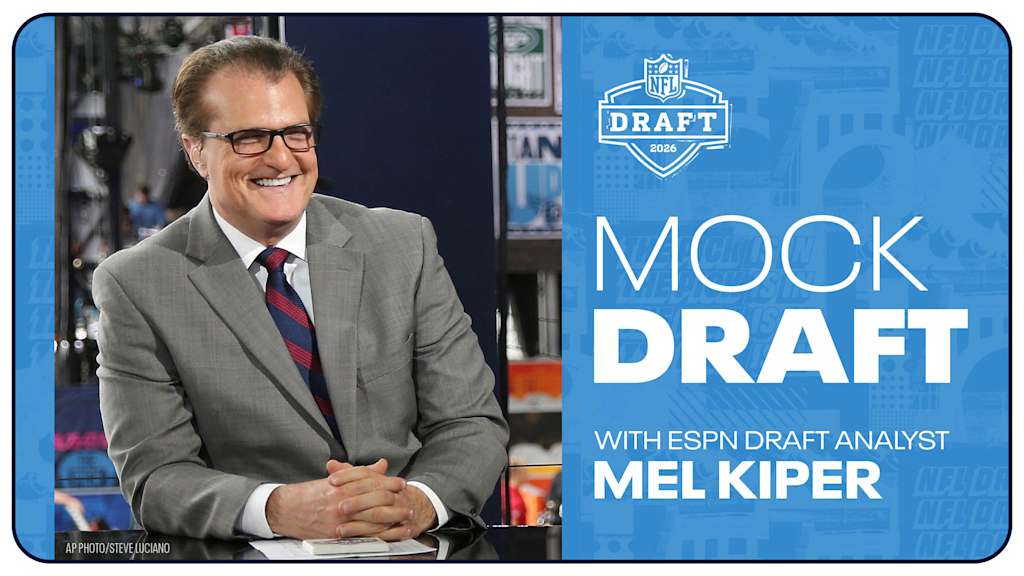
As the 2026 NFL Draft approaches, the offensive tackle board has become one of the most contested rooms in the entire evaluation cycle. Inside that debate, Spencer Fano’s name keeps surfacing — not just as a first-round prospect, but as a legitimate OT1 candidate depending on who you ask. ESPN’s Matt Miller has him locked at No. 18 overall with an 88/100 grade. NFL.com’s Daniel Jeremiah flags him in the top 50 amid what he calls “wide-ranging” tackle opinions league-wide. The film-driven riser narrative is real. So is the split in the scouting community over where he actually fits at the next level.

What Shifted the Evaluation
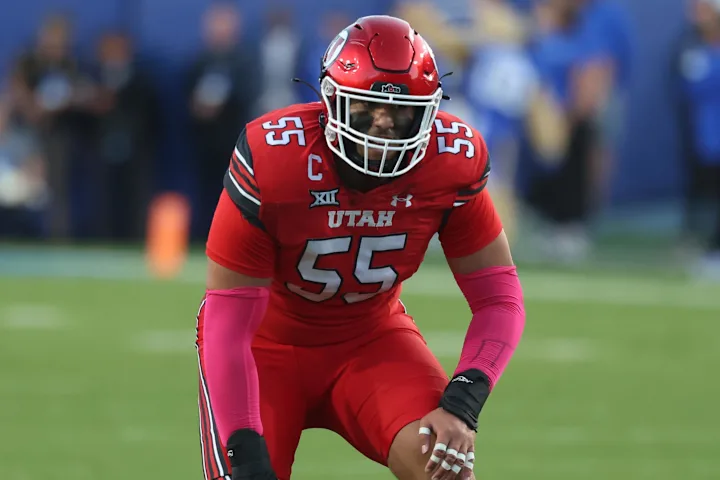
The Fano story at Utah isn’t just about what he did — it’s about how he did it under changed circumstances. When Caleb Lomu arrived in Salt Lake City, Fano moved from left tackle to right tackle without missing a beat. Over the past two seasons at his new spot, he surrendered exactly one sack. That number matters. It’s not a fluke of scheme or schedule — it’s a data point that forced evaluators to reconsider a prospect some had mentally penciled in as an interior lineman.
At 6-6 and 311 pounds, Fano doesn’t have the prototypical mass that scouts traditionally want anchored outside. That size question lingered through the pre-draft process, and without a 40-yard dash or standout combine metrics to clarify the athletic profile, his evaluation became almost entirely film-dependent. What the tape showed was enough to move the needle — an explosive first step, violent finish as a run blocker, and a pass protection track record that held up at the tackle position longer than some expected.
Why the Film Matters More Than the Measurements
The Spencer Fano NFL Draft projection debate ultimately comes down to whether you trust the traits or the tape. For zone-scheme offenses, the traits are genuinely rare. His first-step explosiveness as a run blocker isn’t just good for a tackle — it’s the kind of quality teams spend early picks chasing. The pancake rate, the leverage, the ability to get to the second level — these aren’t scheme-manufactured stats. They’re athletic expressions that translate.
What makes the evaluation particularly interesting is that his transition between tackle spots didn’t expose any structural weakness in pass protection. That’s the tell. Moving from blindside to the right side in college often reveals technique issues that left-side athleticism can paper over. Fano didn’t get exposed. One sack allowed across two seasons, at two different tackle positions, against Power Five competition — that’s the argument for keeping him outside.
The Debate Teams Can’t Ignore
The scouting community isn’t universally sold, and that tension is the most important part of the Spencer Fano story heading into draft weekend. The upside case is straightforward: freakish athleticism, dual-tackle versatility, zone-scheme fit, and a ceiling as a Day 1 starter with immediate impact in the run game. If the athletic traits translate cleanly to the NFL, a team picking in the late first round could land one of the better offensive linemen in this class.
The concern case is equally coherent. At 311 pounds, Fano doesn’t have the body type that ages well at tackle against NFL edge rushers. Some scouts see the interior pivot not as a demotion but as a position where his athleticism would actually dominate — where his first-step quickness becomes a weapon rather than a survival tool. The pass protection holds at Utah, but against NFL speed off the edge? That’s the question that doesn’t get answered until a team commits a first-round pick and finds out.
Miller’s Austin Jackson comp is instructive here. Jackson had legitimate tackle athleticism coming out of USC and still found himself in an extended evaluation period about where his best football would be played. Fano’s situation rhymes.
The Decision Facing Teams Late in Round One
For OT-needy teams picking between 18 and 32, the Spencer Fano draft stock decision forces a specific kind of choice: do you take the higher-ceiling tackle prospect who might need a few years to fully anchor against elite pass rushers, or do you take a safer evaluation at a position where the margin for error shrinks every round? Zone-heavy offenses — teams that ask their tackles to move, reach, and create — will value Fano’s traits over his measurements. Power-run or protection-first teams may hesitate.
The swing tackle dimension adds a layer. If a team views him as a versatile chess piece — someone who can start at right tackle, kick inside in certain packages, and eventually develop into a franchise left tackle — the value calculation changes entirely. That kind of positional flexibility is worth a premium in today’s NFL, where roster construction demands linemen who can play multiple spots without dropping in effectiveness.
Where He Lands and What It Means
The current draft range puts Fano in the late first round, with ESPN’s ranking at No. 18 overall representing a reasonable ceiling given the 2026 NFL Draft offensive tackle rankings. The confidence level around that range is moderate, and appropriately so — the scout split on tackle versus interior is genuine, not manufactured drama. A team that falls in love with the film could push him into the top 15. A team that overweights the size concern could let him slide to the back end of the first or even early second.
The volatility is the story. Is Spencer Fano a first round pick? By most credible evaluations, yes. But the gap between his floor and ceiling is wider than most first-rounders, and that gap only closes when an NFL offensive line coach gets his hands on him and determines whether the tackle projection holds.
What Comes Next
As the OT board solidifies in the final weeks before the draft, watch for mock draft movement tied to team-specific fit. Every time an OT-needy team telegraphs its intentions, Fano’s range shifts. The film-driven riser narrative has real legs — this isn’t a combine-created prospect, and his evaluation isn’t dependent on a single workout that could fade from memory. It’s built on two years of production across two tackle spots against real competition.
The question now becomes which front office trusts the traits enough to commit a first-round pick before the size debate gets resolved by NFL reps. That answer will define where Spencer Fano Utah’s most decorated offensive lineman in recent memory begins his professional career — and whether the scouts who kept him outside were right all along. Stay Tuned to our 2026 NFL Draft Hub