

The 2026 NFL Draft Nickel Prospects You Should Already Be Watching
The nickel position is no longer a footnote in NFL roster construction — it is a starting point for how modern defenses are built, and the 2026 NFL Draft class is shaping up to deliver some genuinely interesting options at the spot. Keonte Scott out of Auburn is the name driving that conversation right now, evaluated as a player who is essentially built for the star/nickel role at the next level. But Scott is not the only one forcing the debate. A deeper look at this group reveals real disagreement about role fit, projection, and which of these prospects can actually hold up against NFL slot receivers on a weekly basis.
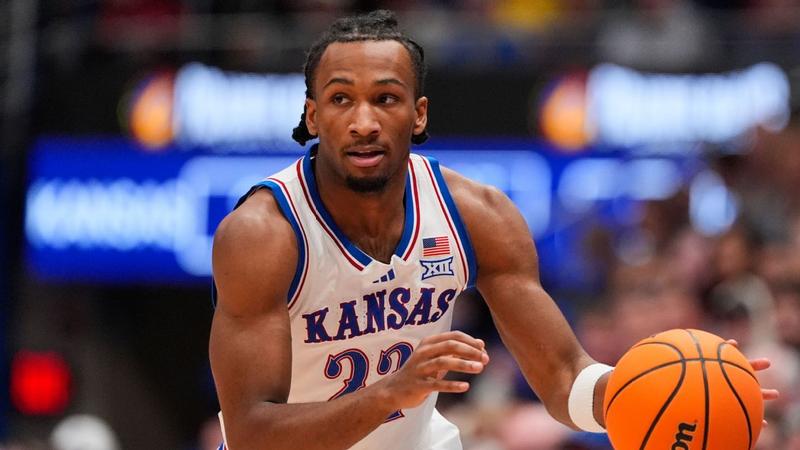
Keonte Scott Is Built for This Role — But the Position Has to Find Him
The evaluation of Keonte Scott is one of the cleaner profiles in this 2026 class. He blitzes with purpose, generates pressure off the edge using up-and-unders, tracks runners from the backside, and is not afraid to be physical in traffic. He can hold up in man coverage like a corner and still fit the demands of a true star defender. That combination is rare enough that the case for Scott is not really about upside — it is about whether the right scheme finds him early enough.
The risk here is not Scott’s ability. It is draft positioning. Players who thrive in specific roles — and the star/nickel is one of the most scheme-dependent spots in football — can slide when teams are not built to maximize them. Scott profiles as a genuine difference-maker for the right defensive coordinator. For teams running a traditional two-safety shell with a corner nickel, he is a luxury. For teams who want their nickel to generate pressure and erase slot threats in man, he is a near-priority pick.
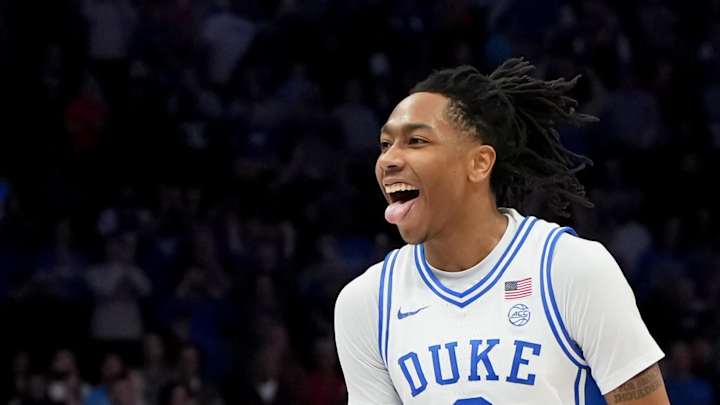
D’Angelo Ponds and the Inside Transition Question
D’Angelo Ponds draws the Kenny Moore comparison — and that framing is both a compliment and a pressure test. Moore built a reputation in Indianapolis as one of the craftiest nickel defenders in the league, built on instincts, toughness, and a football IQ that allowed him to play fast in tight spaces. Ponds profiles similarly: aware, physical, instinctive. The traits translate on tape.
But Ponds has not played a ton inside at Indiana, and that is where the debate starts. The question is not whether his traits are real — they clearly are. The question is whether he has enough inside reps for teams to trust the projection in round two or three, or whether a limited sample turns him into a developmental dart in the later rounds. Teams that need immediate nickel help will weigh that heavily. Teams willing to develop the position may find serious value if Ponds slides.
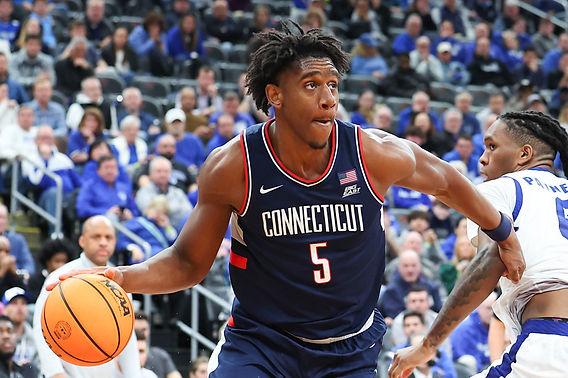
Avieon Terrell’s Turnover Production Changes the Conversation
Avieon Terrell from Clemson brings something to this group that nobody else does — eleven turnovers, including eight forced fumbles. That is not a stat to contextualize away. Ball disruption at that volume signals a player who has an uncommon feel for tracking and attacking the football, and the Marlon Humphrey comparison — a corner who excels at getting around the ball — gives Terrell’s game a recognizable ceiling.
What makes Terrell interesting as a 2026 nickel prospect is that his skill set is not dependent on a single scheme. The ability to disrupt the football works in zone, in man, and along the line of scrimmage. The transition to the slot at the next level does not require reinvention — it requires refinement, which is exactly how his profile is being framed. If that turnover production holds up as a trait rather than a sample-size spike, Terrell could climb well past where his current profile suggests.
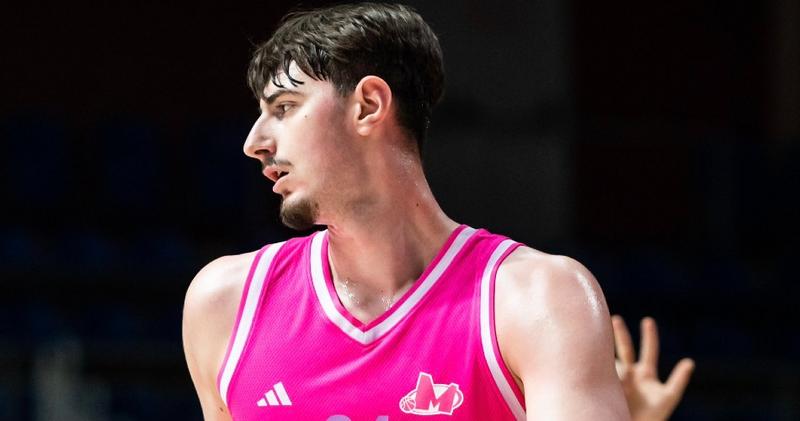
Emmanuel McNeil-Warren and the Small-School Value Problem
Emmanuel McNeil-Warren from Toledo is the name on this list that carries the most risk and the most reward. The profile is genuinely rare: a safety who will punish you over the middle and take the ball away, described as a natural center fielder who also functions as a box-area playmaker and processes like a linebacker. That combination, if it holds at the next level, is the kind of safety teams pay for in free agency.
The concern is the 40 time. Speed questions at safety do not disappear — they define how teams deploy the position and how much freedom a safety gets to operate in space. McNeil-Warren’s workout showed real athleticism in the skill tests, but if the track-meet sizzle was not there in the 40, some teams will move on quickly. The small-school factor compounds the evaluation challenge. Toledo is not a weak program, but the level of competition matters when projection is already being stretched. McNeil-Warren is the type of 2026 prospect who becomes a steal or a miss based almost entirely on how teams answer the speed question.
The nickel and safety conversations in the 2026 NFL Draft are already more layered than most people realize. Scott, Ponds, Terrell, and McNeil-Warren each represent a different kind of bet — scheme-dependent, projection-heavy, production-driven, or athletically uncertain. How teams sort through those bets is where the real draft-day decisions get made. Watch how this group performs in the months ahead, because the boards on these players are far from settled.
For more NFL Draft analysis and content, stay tuned to Prospect-Radar.com.
More 2026 defensive prospects: Rueben Bain’s Projection Debate | The Most Polarizing First-Round Picks | Jermod McCoy’s Make-or-Break Pro Day
For the full picture on the 2026 class — QB rankings, sleepers, stock risers, and mock draft reactions — visit our 2026 NFL Draft Hub.