
Keldric Faulk, Peter Woods, and the Polarizing First-Round Bets That Could Define the 2026 NFL Draft
Some prospects don’t create disagreement — they are disagreement. In the latest round of 2026 NFL Draft analysis, a clear pattern emerged in picks 11 through 32: the most interesting first-round decisions aren’t the safe ones. They’re the polarizing prospects where talent and production are pulling in opposite directions, and teams are being forced to decide how much faith they’ll place in traits alone. Keldric Faulk is the clearest example of that tension — a player with preseason top-three buzz who arrived at draft season with two sacks and a résumé full of “glimpses.” But Faulk isn’t alone. Peter Woods and Jermod McCoy are creating the same kind of board fractures, just for different reasons.
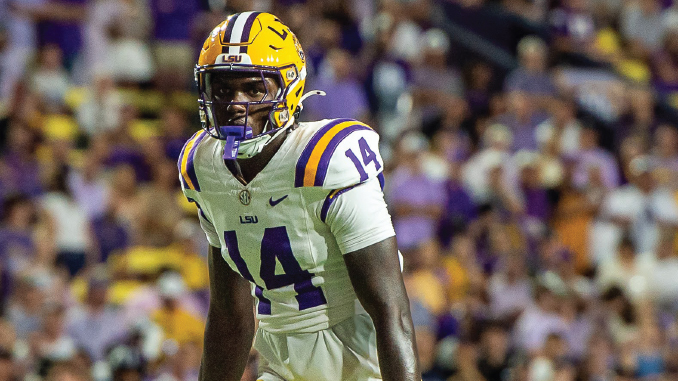
Keldric Faulk: The Leap of Faith That Could Cost a Team — or Define One
Faulk entered the 2025 college season carrying top-three-to-five overall hype. He’s leaving it as a late first-round projection, and the gap between those two valuations is the most telling story on the defensive side of this draft.
The talent hasn’t disappeared. The evaluation framed Faulk’s physical tools as “kind of astonishing” — the size, length, and athleticism are still there. He’s described as scheme-flexible enough to play as a 4-3 end, kick inside, or even align over center at times. The character marks are clean. By every off-field and physical measure, Faulk is exactly the kind of prospect teams build franchise defenses around.
The problem is the tape. Expected dominance never materialized into consistent get-off or production. Two sacks is not a number that justifies a first-round pick on its own, and the evaluation was blunt about it: taking Faulk now is “a leap of faith that the talent turns into big-time production.” The comparison drawn was to Mykel Williams — a player who entered his draft cycle with top-five buzz and slid into the top ten as teams started weighing production against projection.
The teams most likely to pull the trigger on Faulk are those with enough defensive infrastructure that they can absorb a development year — or enough win-now pressure that they’re willing to bet on upside over certainty. The teams that pass are betting that the production gap isn’t a fluke. Both sides of that argument are reasonable. That’s exactly what makes Faulk one of the most dangerous names on the 2026 NFL Draft board.
Peter Woods: Why Teams Keep Coming Back Despite the Production Questions
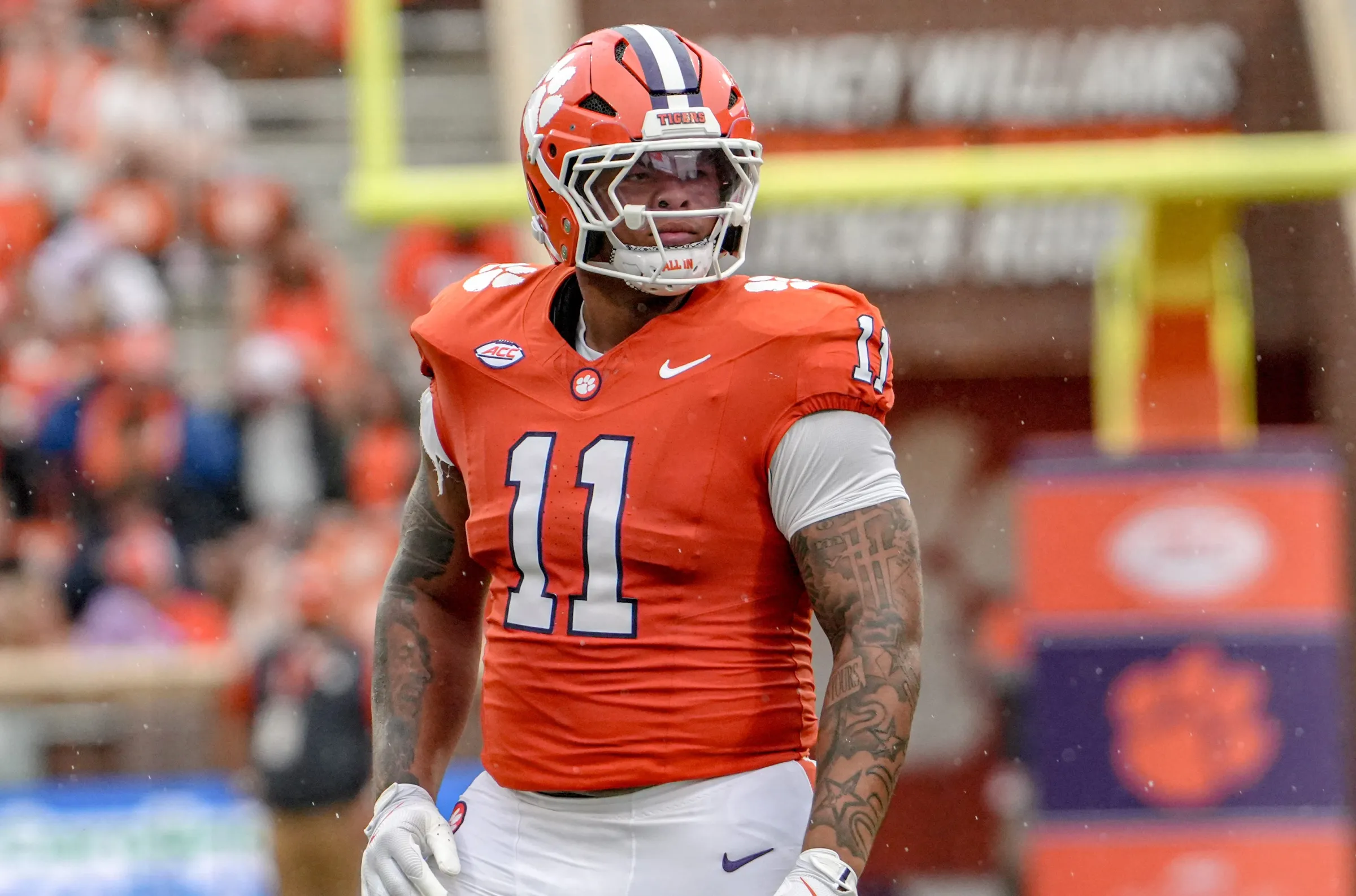
If Faulk is the player who slid because of disappointing production, Peter Woods is the player who should have slid — and hasn’t. Teams keep talking about him in the top-15 range despite the fact that the expected splash never came.
The case for Woods rests almost entirely on athletic ability. “Freakish talent” was the phrase used, and the physical traits genuinely support it — quickness, strength, and burst that show up even when the statistical output doesn’t. The evaluation pushed back on the arm-length concern that typically follows interior defensive linemen, noting it simply doesn’t carry the same weight at DT as it might elsewhere.
What’s harder to dismiss is the production gap. Woods was projected to be a disruptive force at Clemson this season. He wasn’t. The evaluation acknowledged that directly — he didn’t build on what was expected. And yet the league feedback kept placing him in the top-15 conversation.
That disconnect is what makes Woods a genuine first-round gamble. Teams taking him in the 20s are essentially betting that the traits they saw in flashes will translate once he’s in a pro system with better coaching and defined responsibilities. Teams passing on him are betting that production matters more than projection. At a position where impact is notoriously hard to manufacture, the risk of reaching on talent alone is real — and the risk of letting a “freakish” athlete fall into the second round may be just as costly.
Jermod McCoy: The Injury-Driven Bet That Comes Down to One Question
McCoy is a different kind of polarizing prospect. The production debate doesn’t apply here — the evaluation pointed to length, ball skills, and toughness as genuine lockdown cornerback traits. The question isn’t whether he can play. It’s whether his knee is ready to let him.
Coming off an ACL injury that cost him the season, McCoy is being evaluated more as a medical projection than a football one. The evaluation framed Dallas as a logical landing spot partly because of the Cowboys’ confidence in their own knee evaluation infrastructure — with Dan Cooper’s name specifically mentioned as a reason the organization would be willing to roll the dice at pick 12.
The modern ACL recovery timeline actually supports the bet. At roughly 14 months removed from the injury by draft time, McCoy is within the range where most players return to full form. The evaluation called him “worth a roll of the dice” specifically because the upside — a potential lockdown corner — is rare enough that the injury risk doesn’t close the door on a mid-first selection.
Where boards split on McCoy is predictable: teams with strong medical staffs and a real CB need will move up; teams that can’t absorb a year of uncertainty will let him go. The range on McCoy could swing dramatically depending on where individual team doctors land after their evaluations. That makes him one of the most volatile names in the entire first round.
Why These Polarizing Prospects Matter More Than the Safe Picks
The 2026 NFL Draft’s first round doesn’t get defined by the consensus selections. It gets defined by what teams do with prospects like Faulk, Woods, and McCoy — players where the gap between upside and risk is wide enough that reasonable evaluators land in completely different places. Faulk’s production gap is forcing teams to choose between talent and track record. Woods is asking the same question at a position where tools don’t always translate. McCoy is the rare case where the player himself isn’t the debate — his knee is. How teams navigate these decisions in picks 11 through 32 will tell you more about their draft philosophy than any of the safe, consensus names on the board.
For more NFL Draft analysis and content, stay tuned to Prospect-Radar.com.
More 2026 defensive prospects: Rueben Bain’s Projection Debate | Nickel Prospects Teams Can’t Agree On | Jermod McCoy’s Make-or-Break Pro Day
For the full picture on the 2026 class — QB rankings, sleepers, stock risers, and mock draft reactions — visit our 2026 NFL Draft Hub.